
How to Plan a Commercial Move With Minimal Disruption
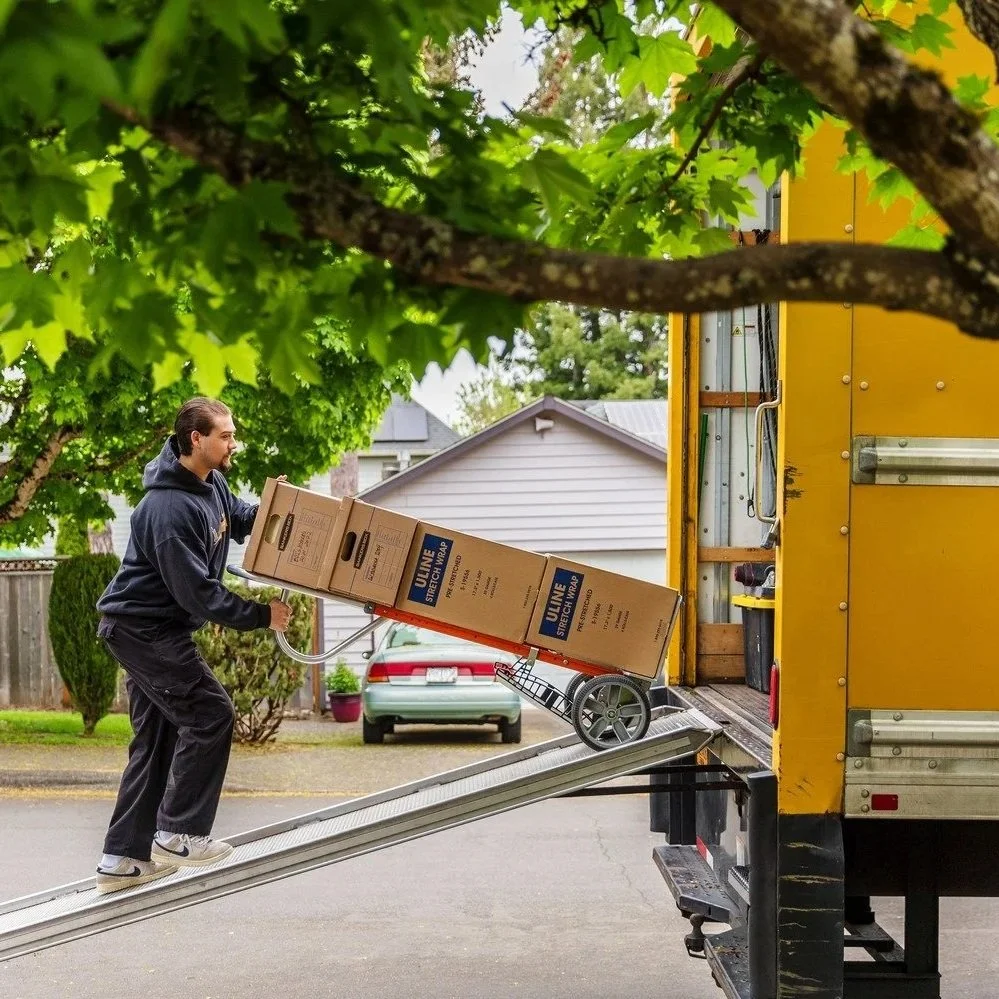
Understanding the essential steps involved in a commercial relocation and the value of experienced commercial moving specialists can help maintain business continuity and protect the bottom line.
Relocating a business is a significant undertaking, one that demands careful orchestration and strategic foresight. The stakes are high: operational downtime, employee productivity, and client relationships all hang in the balance. For organizations preparing for a commercial move, meticulous planning and the expertise of professional movers can make the difference between an easy transition and a disruptive ordeal. Understanding the essential steps involved in a commercial relocation and the value of experienced commercial moving specialists can help maintain business continuity and protect the bottom line.
The Importance of Early Planning
Every successful commercial move begins with a well-structured plan. Early preparation lays the foundation for a smooth transition, enabling the identification of potential challenges and the development of practical solutions. A detailed moving timeline, created several months in advance, can help coordinate the various aspects of the move, from securing new premises to notifying stakeholders and arranging logistics.
Key stakeholders should be involved from the start, including department heads, IT personnel, and facilities managers. Their insights add to a comprehensive understanding of the organization’s requirements and help prevent oversights that could lead to costly delays and disruptions. Early engagement with professional movers experienced in commercial moving is also crucial. Their expertise in handling complex relocations can help anticipate common pitfalls and recommend best practices tailored to the organization’s needs.
Selecting the Right Commercial Movers
Choosing the proper moving partner is a pivotal decision in the relocation process. Not all movers possess the specialized skills required for commercial moves, which often involve sensitive equipment, confidential documents, and large-scale furniture. Professional movers with a solid track record in commercial moving bring a level of precision and reliability that minimizes risk.
When evaluating potential moving companies, it is essential to assess their experience with similar projects, their approach to project management, and their ability to provide references from satisfied clients. Transparent communication, comprehensive insurance coverage, and a clear understanding of the organization’s unique requirements are hallmarks of a trustworthy commercial moving partner.
Developing a Detailed Moving Plan
A comprehensive moving plan serves as the blueprint for a successful relocation. It should outline every phase of the move, from pre-move preparations to post-move support. Key elements include a detailed inventory of assets, a floor plan for the new location, and a schedule that reduces disruption to daily operations.
Coordination with IT specialists is essential to safeguard technology assets and maintain data integrity. Proper labeling and documentation of equipment, files, and furniture facilitate efficient unpacking and setup at the new site. Clear communication with employees about timelines, expectations, and responsibilities helps reduce anxiety and fosters a sense of collaboration and teamwork.
Minimizing Downtime and Maintaining Productivity
One of the primary concerns during a commercial move is the potential for operational downtime. Every hour of lost productivity can result in significant financial losses and weakened client relationships. Strategic scheduling, such as moving during weekends or after business hours, can help maintain business continuity.
Professional movers play a critical role in expediting the relocation process. Their familiarity with efficient packing, safe transportation, and systematic unpacking allows for a swift transition. Temporary workspaces or remote work arrangements may also be considered to keep essential functions running while the move is underway.
Protecting Sensitive Equipment and Information
Commercial moves often involve relocating sensitive equipment, including computers, servers, and specialized machinery. Mishandling these assets can result in costly repairs, data loss, or breaches of confidentiality. Professional movers with experience in commercial moving understand the importance of secure packing, climate-controlled transport, and careful handling.
Confidential documents and proprietary information require special attention. Secure containers, tamper-evident seals, and chain-of-custody protocols help safeguard sensitive materials throughout the move. Collaboration with IT and security personnel can further reduce the risk of data compromise.
Adapting to New Spaces and Supporting Employees
The transition to a new workspace presents both opportunities and challenges. A thoughtfully designed floor plan can enhance workflow, foster collaboration, and support employee well-being. Involving staff in the planning process and soliciting their feedback can help tailor the new environment to the organization’s evolving needs.
Professional movers can assist with furniture assembly, equipment installation, and arranging workstations, allowing employees to settle in quickly. Providing orientation sessions and resources for staff can ease the adjustment period and promote a positive outlook on the change.
Managing Logistics and Compliance
Commercial relocations often involve complex logistics, including obtaining permits, arranging parking, and coordinating with building management. Professional movers possess the expertise to navigate these requirements, reducing the risk of delays or regulatory issues.
Compliance with local regulations, such as fire codes, accessibility standards, and waste disposal guidelines, is essential for a smooth transition. Experienced commercial moving teams are well-versed in these matters and can help organizations remain in good standing.
Leveraging Technology for a Streamlined Move
Advancements in technology have transformed the commercial moving process. Inventory management software, digital floor plans, and real-time tracking systems offer greater visibility and control throughout the relocation process. Professional movers often utilize these tools to streamline operations and enhance communication.
Digital checklists and project management platforms facilitate coordination among stakeholders, while barcode scanning and asset tagging simplify inventory tracking. Leveraging these technologies can reduce errors, accelerate setup, and support a more organized move.
The Value of Experience and Expertise
The complexity of a commercial move demands more than just manpower—it requires specialized knowledge and a strategic approach. Professional movers bring a lot of experience to the table, drawing on lessons learned from previous projects to anticipate challenges and implement effective solutions.
Their familiarity with the unique demands of commercial moving, from handling high-value assets to coordinating large-scale logistics, instills confidence and peace of mind. By entrusting the relocation to seasoned professionals, organizations can concentrate on their core operations and maintain momentum throughout the transition.
Supporting Business Continuity
Business continuity is the ultimate goal of any commercial move. Disruptions to operations, even if temporary, can have lasting consequences for productivity, client satisfaction, and revenue. A well-executed move, guided by the expertise of professional movers, helps preserve the organization’s reputation and competitive edge.
Contingency planning is a key component of business continuity. Identifying potential risks, such as equipment malfunctions or delays in occupancy, allows for the development of backup strategies. Professional movers can assist in creating contingency plans, drawing on their experience to recommend practical solutions.
The Role of Communication in a Successful Move
Consistent and clear communication is the linchpin of a successful commercial relocation. Regular updates to employees, clients, and vendors help manage expectations and prevent misunderstandings. Designating a move coordinator or project manager can streamline communication and serve as a central point of contact.
Professional movers often work closely with internal teams to facilitate information sharing and address concerns as they arise. Open lines of communication foster trust and collaboration, paving the way for a smooth transition.
Post-Move Support and Evaluation
The work does not end once the last box is unpacked. Post-move support is crucial for addressing any lingering issues, fine-tuning the workspace, and assisting employees as they adjust to their new environment. Professional movers can assist with final adjustments, equipment calibration, and the removal of packing materials.
Conducting a post-move evaluation provides valuable insights for future relocations. Gathering feedback from staff, reviewing the moving plan, and assessing the performance of moving partners can help identify areas for improvement and reinforce best practices.
Trust in Professional Movers for a Seamless Commercial Move
A commercial move represents a pivotal moment in the life of any organization. The challenges are significant, but so are the opportunities for growth and transformation. By prioritizing early planning, engaging experienced professional movers, and embracing a strategic approach, businesses can navigate the complexities of relocation with confidence.
The expertise of professional movers in commercial moving is an invaluable asset, providing the knowledge, resources, and support necessary to minimize disruptions and ensure business continuity. Trust in the process, the people, and the plan lays the groundwork for a successful move and a bright future in a new space.
Call Butterfield Moving LLC if you need residential moving services or commercial property moving services in Portland, OR, and surrounding areas. Our team exhibits a high level of skills and ensures outstanding results for various relocation needs. Our friendly staff will resolve all your queries.