
Specialty Item Moving: How Pros Handle Pianos, Fine Art, And Antiques
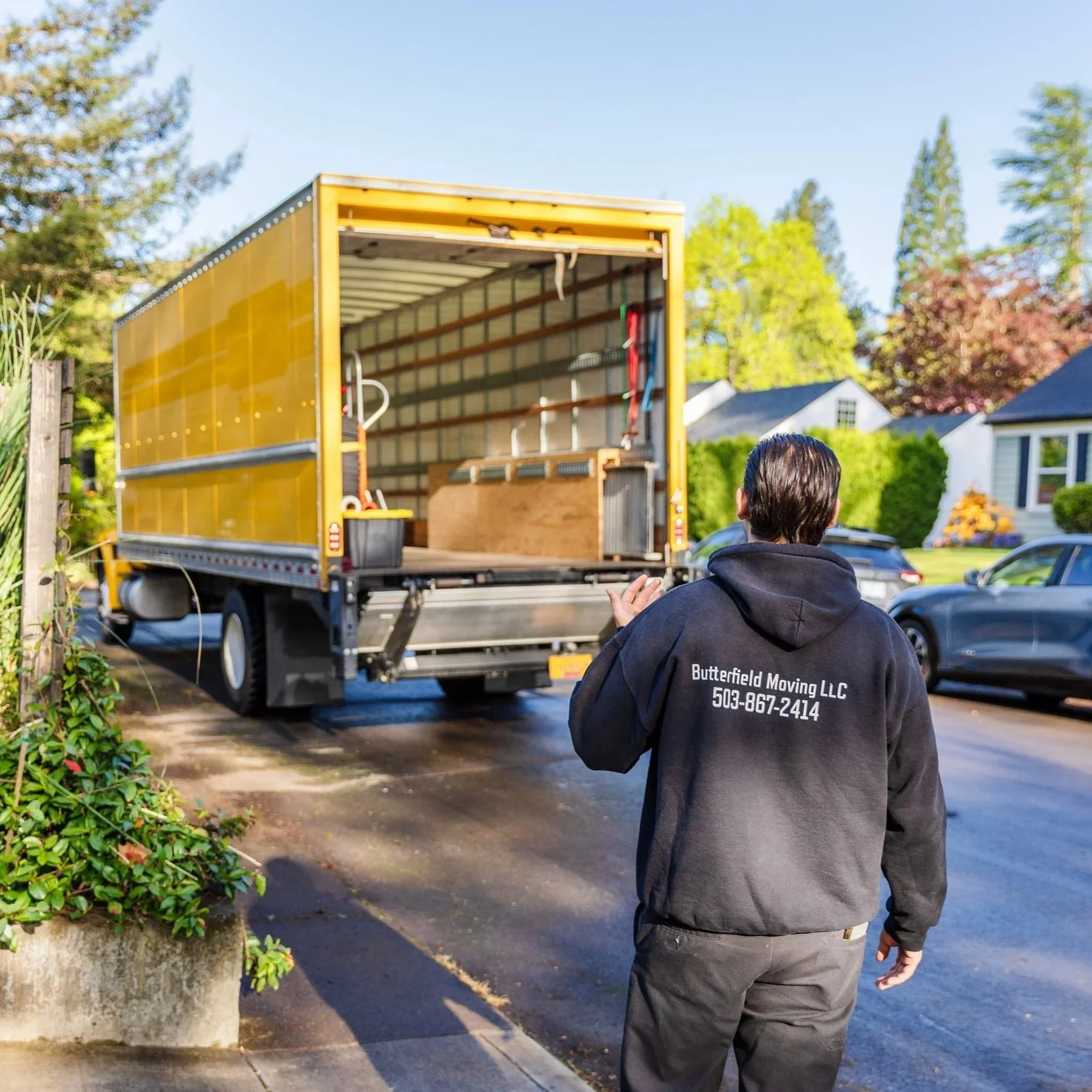
Moving professionals trained in specialty item relocation don’t treat these pieces like just another item on the checklist.
Some items can’t be replaced. They hold more than monetary value—they carry stories, history, and sometimes a few generations of fingerprints. Whether it’s a century-old piano, a gallery-worthy painting, or an antique armoire that has survived more than one move, specialty pieces require a level of care that goes well beyond a roll of bubble wrap. These aren’t items you can toss into a box and hope for the best. Every corner, curve, and surface matters.
Moving professionals trained in specialty item relocation don’t treat these pieces like just another item on the checklist. They approach them with precision, planning, and a healthy dose of reverence. From the first padded wrap to the final placement, the process is rooted in experience and respect for what these objects represent. It’s a methodical process, one that balances technical skill with patience, ensuring nothing is rushed or overlooked along the way.
The Piano Is A Beast With Personality
Few things test a mover’s skills like a piano. It’s heavy, awkwardly shaped, and full of delicate internal components that don’t react well to sudden movement. Inside, there are thousands of moving parts—strings, hammers, keys—all working together in harmony. The wrong move can throw everything off balance or cause permanent damage. And beyond the instrument itself, there’s also the risk to walls, floors, and tight spaces.
That’s why piano moving is always a job for professionals who know exactly how to handle its weight and fragility in equal measure. It’s not just about lifting; it’s about strategy. Movers assess the layout, measure entry points, and determine the safest path before the piano is even touched. Every step is calculated to avoid unnecessary strain or risk.
Specialized equipment like piano dollies, heavy-duty straps, skid boards, and thick protective padding allows movers to maintain control throughout the entire process. Whether it’s an upright tucked into a narrow hallway or a baby grand perched on an upper floor, experienced crews move slowly and deliberately. They tilt, pivot, and guide the instrument with precision, never forcing it into position.
Transporting a piano also involves properly securing it inside the truck. It must be anchored tightly to prevent even the slightest shift during transit. A small movement can lead to internal damage, which is why professionals double-check every strap and support. In the end, it’s this level of care that keeps the piano not just intact, but playable.
Fine Art Moves With White Gloves And Planning
Fine art presents a completely different set of challenges. Unlike furniture or appliances, artwork can be incredibly sensitive to environmental changes. A slight bump, a shift in temperature, or exposure to moisture can result in damage that’s difficult—if not impossible—to reverse. That’s why moving art is less about muscle and more about thoughtful preparation.
Each piece is carefully evaluated before packing begins. Movers consider the artwork's medium, size, and condition. Is it a stretched canvas or framed under glass? Does it have protruding elements? Is it especially old or fragile? These details shape the entire approach. There’s no one-size-fits-all method when it comes to art.
Custom-built crates are often used for high-value or particularly delicate pieces. These crates are designed to fit the artwork perfectly, minimizing movement during transport. For smaller or less fragile items, padded wraps and reinforced boxes may be used, but always with layers of protection to absorb shocks and vibrations.
Movers also take care to keep artwork upright and avoid stacking anything on top. Paintings and sculptures are typically placed in a dedicated section of the truck to keep them stable and undisturbed. Climate considerations also come into play. In some cases, temperature-controlled transport is necessary to protect against heat, cold, or humidity.
From pickup to delivery, fine art is handled with a level of attention that borders on meticulous. It’s not just about getting it from point A to point B—it’s about preserving its condition and integrity every step of the way.
Antiques Require A Steady Hand And A Gentle Touch
Antiques bring their own unique challenges. Unlike modern furniture, which is often designed for easy assembly and durability, antique pieces were crafted in a different era. Materials may have aged, joints may have loosened, and finishes may have become more delicate over time. What looks sturdy on the outside can actually be quite fragile beneath the surface.
Because of this, moving antiques requires a careful, deliberate approach. Professional movers begin by assessing each piece in detail. They look for weak points, loose components, and areas that may need extra support. This initial inspection helps prevent surprises later on.
Whenever possible, removable parts such as drawers, shelves, or detachable legs are carefully taken off and packed separately. This reduces weight and minimizes stress on the structure. Fragile areas—like carved details or thin edges—are padded extensively to prevent chips or cracks.
Instead of rushing through the process, movers take their time. They use furniture sliders, lifting straps, and protective blankets to move items safely without dragging or dropping. Even small actions, like adjusting grip or repositioning hands, are done with intention.
Inside the truck, antiques are secured to prevent shifting and kept away from heavier items that could cause damage. The goal is simple: maintain the piece exactly as it is, preserving both its beauty and its history.
Planning Prevents Panic
Specialty moving doesn’t begin when the truck arrives—it starts days or even weeks in advance. Planning is one of the most important aspects of handling valuable items. Without it, even the most experienced movers can run into unnecessary complications.
Professional movers gather detailed information in advance. They ask about the size and type of items, the home's layout, and any potential obstacles. Are there stairs involved? Is there an elevator? Are doorways wide enough? These details may seem small, but they make a big difference on moving day.
Logistics are mapped out carefully. The team determines how many movers are needed, what equipment to bring, and how long the process will take. If special tools or materials are required, they’re prepared in advance. This eliminates guesswork and keeps everything running smoothly.
For particularly sensitive items, additional considerations may be included. Climate control, specialized packing materials, or even alternate transport routes might be part of the plan. The goal is to remove as much uncertainty as possible.
When everything is planned in advance, the move feels less chaotic and more controlled. Instead of reacting to problems, movers are able to prevent them entirely. That’s what turns a stressful experience into a seamless one.
Trust Built On Experience
Anyone can say they’ll “handle with care,” but experienced movers prove it through their actions. Specialty item relocation is not something you learn overnight. It takes years of hands-on work, learning how different materials behave and how to respond to unexpected challenges.
Crews who specialize in this, bring a calm, confident presence to the job. They’ve handled tight corners, tricky staircases, and high-value items countless times before. That experience allows them to move efficiently without cutting corners.
There’s also a level of intuition that comes with experience. Movers can anticipate potential issues before they happen. They know when to slow down, adjust their approach, and bring in additional support. It’s this awareness that keeps items safe from start to finish.
More than anything, it’s about respect. These aren’t just objects—they’re meaningful possessions. Whether it’s a family heirloom or a valuable piece of art, professional movers treat each item with the care it deserves. That mindset makes all the difference.
Extra Precautions Mean Peace Of Mind
When valuable items are involved, extra precautions are always worth it. Professional movers go beyond basic handling to provide additional layers of protection and reassurance. This includes proper documentation, insurance options, and clear communication throughout the process.
Before the move begins, condition reports are often created. Movers take photos and note any existing marks or wear. This creates a clear record of the item’s condition, giving clients confidence and transparency. It also ensures accountability at every step.
Insurance coverage is another important factor. While damage is rare with experienced crews, having protection in place offers peace of mind. Clients can choose coverage options that match the value of their items, knowing they’re safeguarded in case of the unexpected.
Communication also plays a key role. Professional movers keep clients informed, providing updates and answering questions along the way. Knowing where your items are and how they’re being handled makes the entire experience feel more secure.
Whether it’s a local move or a long-distance relocation, these extra steps help ensure everything arrives safely. And when the final piece is unwrapped and placed exactly where it belongs, the sense of relief is immediate.
Moving a priceless object shouldn’t come with a panic attack. With expert handling, the right tools, and a little reverence, those irreplaceable items arrive safe, sound, and ready for their next chapter.
Butterfield Moving LLC is a licensed and insured moving company offering specialty and high-value moving services, packing and unpacking services, disassembly and reassembly services, and additional services, including on-demand moving services for emergency moves and real estate and property staging services. Serving Portland, OR, and surrounding areas, we ensure complete compliance with local and federal regulations. Call us for a free quote.