
Warehouse Moving Essentials: Keeping Inventory Organized and Intact
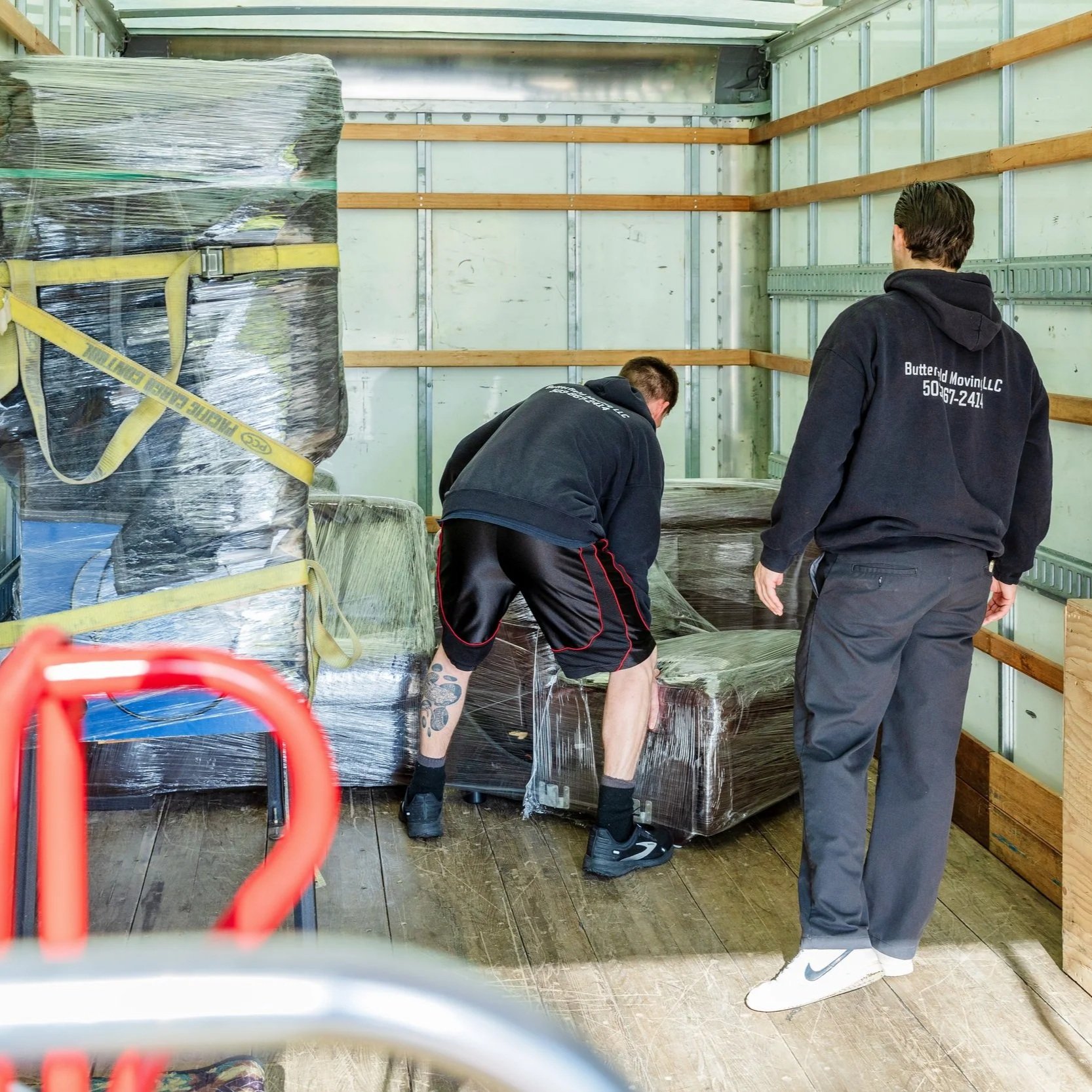
Keeping inventory organized and intact becomes a central goal because every item plays a role in fulfilling orders and supporting business operations.
A warehouse move introduces a level of complexity that outshines most traditional relocations. Pallets sit stacked with products that cannot wobble during transport. Shelving units loom overhead with thousands of labeled goods. Forklifts glide between aisles while employees navigate boxes, equipment, and deadlines. A warehouse may operate as the backbone of a business, and relocating it requires structure, strategy, and calm leadership. Commercial moving services provide that structure, turning a potentially chaotic transition into a streamlined, orderly experience. Keeping inventory organized and intact becomes a central goal because every item plays a role in fulfilling orders and supporting business operations.
Understanding The Scale Of A Warehouse Move
Understanding the scale of a warehouse move helps business owners appreciate the need for professional coordination. Warehouses vary widely in size, inventory type, equipment requirements, and workflow patterns. One warehouse may store food products that need temperature control. Another may house retail items with carefully assigned barcodes. Another may contain heavy machinery that calls for specialized lifting and transport. Each environment requires its own logistic plan.
Commercial moving services assess the warehouse layout, inventory volume, racking systems, and equipment placement. They examine aisles, loading docks, forklift paths, and access points. Many warehouses include tall racks that require deconstruction before a move. Others include conveyor belts, packing stations, or specialized machinery that must travel separately.
Understanding the space helps movers create a plan that protects inventory, maintains organization, and prevents operational delays.
Creating A Detailed Relocation Plan
Creating a detailed relocation plan reduces stress and improves workflow cohesion. Warehouse moves require a structured schedule based on item quantity, team size, and operational needs. Movers work closely with warehouse managers to develop a plan that supports daily output while minimizing downtime.
Planning often involves careful mapping. Inventory locations are documented so items travel with proper labels and arrive at the new warehouse in an organized system. Sometimes aisles are recreated in the same pattern. Other times, the business uses the move as an opportunity to redesign the layout flow. In both cases, preparation plays a major role.
A clear plan outlines when packing begins, which sections move first, and how inventory will be secured throughout each stage. Commercial moving services help create the structure that keeps the transition moving forward without compromising daily operations.
Preparing Inventory For Transport
Preparing inventory for transport requires care, patience, and strong organization. Products must travel safely across trucks without tipping, shifting, or breaking. Fragile items receive protective wrapping and reinforced packaging. Bulk goods may require shrink wrap, pallet straps, or custom crates. In many warehouses, heavy items already sit on pallets, which simplifies transport.
Commercial moving services evaluate each item category and determine the best packing method. Perishables may require temperature-controlled trucks. Hazardous materials must follow strict transportation guidelines. Electronics and delicate equipment receive anti-static wrapping and padding.
Preparing inventory also includes organizing count systems. Warehouses often rely on barcodes, scanners, RFID tags, or manual inventory lists. Movers support these systems by maintaining item order and assisting with labeling.
Disassembling And Transporting Warehouse Racking
Disassembling warehouse racking is often one of the most time-consuming parts of a warehouse move. Industrial shelving stands tall and strong, holding thousands of pounds of goods. Moving such structures safely requires specialized tools, trained crews, and thoughtful sequencing.
Commercial moving services begin by clearing racks shelf by shelf. Once empty, racks are dismantled using impact tools, wrenches, and lifts. Each component is grouped based on size and reassembly sequence. Uprights, beams, braces, and anchors travel with labels so they can be returned to the correct positions in the new warehouse.
Transporting racks requires stability inside the truck. Movers stack components carefully, using tie downs and padded supports to prevent bending. Proper reassembly at the new location sets the foundation for the entire inventory system, making accuracy a top priority.
Managing Heavy Machinery And Warehouse Equipment
Managing heavy machinery and warehouse equipment requires strength, advanced tools, and experience. Forklifts, pallet jacks, conveyor belts, shrink wrap machines, and balers all play important roles in warehouse operations. Moving them safely protects employees and the equipment itself.
Specialized movers disconnect electrical components, secure moving parts, and prepare machinery for transport. Some items require hydraulic lifts or loading ramps. Others need partial disassembly. Heavy items travel in designated positions within the truck to maintain balance during transport.
Once delivered to the new warehouse, machinery must be placed in areas that support workflow. Movers collaborate with warehouse managers to determine proper spacing and direction, reducing installation time and helping teams resume productivity faster.
Protecting Delicate Inventory During The Move
Protecting delicate inventory requires careful packing strategies and controlled handling. Many warehouses store items that break easily or lose value when compromised. Glassware, electronics, ceramics, and packaged goods with fragile designs all require extra attention.
Commercial moving services create zones for delicate inventory that receive priority during packing. Goods travel in padded containers or reinforced crates. Boxes containing lightweight, fragile items are placed on high shelves in the truck, away from heavy loads.
Movers also monitor temperature for items sensitive to heat or cold. Some products require airflow. Others require dry environments. Awareness of these factors contributes to safer transport and preserved value.
Maintaining Organization Throughout The Move
Maintaining organization throughout the move prevents chaos once the inventory reaches the new warehouse. During packing, items follow a structured flow based on aisle number, product category, or barcode sequence. Movers follow labeling instructions so boxes, pallets, and crates travel in predictable groups.
At the new location, movers recreate the organization through a structured unloading process. Pallets return to their designated aisles. Boxes sit near their assigned storage areas. Specialty items are moved to secured rooms or climate-controlled units.
A well-organized warehouse move reduces downtime because employees can begin the workflow immediately with clear inventory placement.
Transporting Inventory With Stability And Care
Transporting inventory safely requires skill, balance, and smart loading strategies. Trucks must carry weight evenly to prevent shifting. Heavy pallets sit at the base near the front of the trailer. Lighter items fill upper stacks. Tie downs and wrapped stabilizers hold items securely.
Commercial moving services understand how to load trucks for maximum stability and safety. Drivers travel with caution, avoiding rough routes when possible. Smooth driving matters because sudden impacts can tip pallets or damage fragile items.
Once trucks reach the new warehouse, movers unload in a structured sequence that supports inventory order and reduces time spent searching for misplaced goods.
Setting Up The New Warehouse For Success
Setting up a new warehouse allows businesses to improve workflow and efficiency. Movers reassemble racks at strategic positions according to earlier layout plans. Some warehouses choose to redesign their system entirely, creating smoother pathways for forklifts or optimizing space for future growth.
Movers place inventory precisely based on the established map. Heavy goods may sit closer to shipping areas. Seasonal items may sit near accessible aisles. Specialty products may receive their own secure section.
Setting up the warehouse also involves reconnecting equipment, arranging staging areas, establishing receiving zones, and preparing workstations. A smooth setup reduces downtime and helps the business resume normal operations faster.
Supporting Employees During The Warehouse Move
Supporting employees plays a major role in reducing stress during a warehouse relocation. Employees often worry about inventory loss, workflow changes, and the pressure of maintaining productivity. Movers help support the team by handling the heavy lifting, coordinating the flow, and ensuring clear communication throughout the day.
A friendly moving crew brings positive energy that helps relieve some of the tension surrounding large physical transitions. Managers appreciate seeing the process handled professionally and with care. Employees enjoy knowing their workspace and tools are in reliable hands.
Collaborating With Warehouse Management Teams
Collaborating with warehouse management teams helps the relocation stay aligned with operational goals. Movers discuss timelines, inventory counts, equipment needs, and workflow expectations. They adapt their plan based on the business schedule, allowing certain departments to continue operations while others move.
Collaboration also helps identify potential challenges before they arise. A narrow loading area may require staggered truck arrivals. A complex racking system may need extra crew members. A warehouse that stores sensitive items may require climate control.
A strong partnership between movers and managers results in a smoother relocation and higher confidence for everyone involved.
Addressing Common Challenges With Warehouse Moves
Common challenges arise during large-scale warehouse relocations, but professional movers address them with preparation and adaptability. Inventory errors can occur when items travel without proper labels. Movers counter this with checks at each stage. Large items may require additional equipment or route changes. Movers prepare for these situations with backup tools and alternative plans.
Weather can also influence inventory safety. A rainy day calls for covered loading areas and protected pallets. A hot day may require additional ventilation for temperature-sensitive items.
Commercial moving services respond calmly and confidently, helping maintain steady progress despite unexpected hurdles.
Why Commercial Moving Services Matter For Warehouse Relocation
Commercial moving services matter because a warehouse move demands expertise, strength, organization, and strategy. Inventory safety becomes the top priority. Workflow continuity becomes essential. A well-executed warehouse move protects products, reduces downtime, and helps the business transition smoothly.
Professional movers bring the tools, experience, and knowledge needed to relocate massive quantities of goods while maintaining order and accuracy. Their guidance helps businesses navigate the physical, logistical, and operational challenges that appear during warehouse relocation.
Urgent Answers for a Smooth and Organized Warehouse Move
How do movers keep warehouse inventory organized during a move?
Movers use labels, aisle maps, pallet grouping, and structured loading to maintain item order throughout the relocation.
Can commercial movers handle the disassembly of racking and shelving?
Yes, movers dismantle, label, transport, and reassemble warehouse racking systems with specialized tools and trained crews.
What happens to fragile goods during a warehouse move?
Fragile items receive protective wrapping, padded crates, and secure placement within the truck to prevent damage.
Do movers transport forklifts and warehouse equipment?
Yes, movers relocate forklifts, pallet jacks, and other machinery using lifts, ramps, and secure loading techniques.
How long does a warehouse move typically take?
Timing depends on warehouse size, inventory volume, layout complexity, and equipment needs, with professional planning supporting faster transitions.
Butterfield Moving LLC is a residential and commercial moving company serving Portland, OR, and surrounding areas. We are a licensed and insured company offering packing and unpacking services, disassembly and reassembly services, and specialty and high-value moving services. We also offer various additional services, including on-demand moving services for emergency moves and real estate and property staging services. Call us today for a free quote.