
What to Keep With You Instead of Loading on the Moving Truck
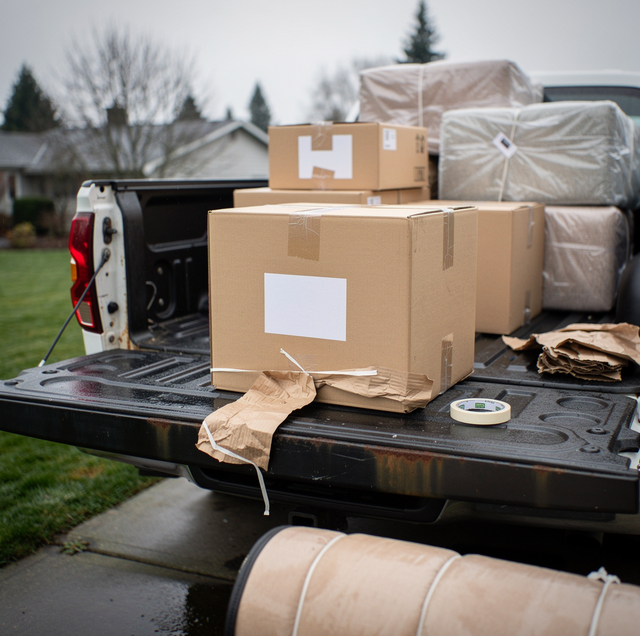
Two movers are walking a dresser up the ramp when one of them sets a taped, labeled box on the tailgate, lining it up with the rest of the load. You glance over, and your stomach drops a little. That's the box with your passports, your closing paperwork, and the folder of medical records you spent an hour digging out of a filing cabinet that morning. You call out, jog over, and pull it back off the truck before it disappears behind a wall of furniture pads that won't come open again until the truck backs up to your new front door. Nothing bad happened this time. But it's the kind of near-miss that happens on loading day more often than anyone likes to admit, and it's the reason a keep-with-you list matters as much as the packing plan itself.
Why This List Matters More Than It Seems
Loading a truck well is its own kind of skill, and a good crew moves fast for a reason: a tightly packed, well-secured load protects your furniture, and a slow crew burns daylight nobody has to spare. During the busier months of the year, when moving companies are running back-to-back jobs and the calendar is booked tight, that pace only picks up, and a fuller schedule leaves less room to pause and double-check one particular box before it gets loaded. In the wetter months, the risk looks different. Boxes waiting on a driveway or a ramp while a crew works through a full house are exposed to weather in a way they wouldn't be if you'd carried them straight to your own car instead. Either way, the pattern is the same. The items you can least afford to lose look, from across a truck bed, exactly like every other box.
Documents and Records to Keep on Your Person
Passports, birth certificates, Social Security cards, marriage or custody paperwork, the closing documents or lease for both your old place and your new one, insurance policies, medical records, school records, and anything tied to the move itself, including your estimate and inventory sheet from the moving company. These are papers that are painful and slow to replace if they end up misplaced, sometimes taking weeks of phone calls and mailed forms to reissue. Keep them together in one folder, envelope, or small lockbox that rides in your car, not in a labeled box that looks like forty others on the truck.
Cash, Cards, and Small Valuables
Cash on hand, checkbooks, credit and debit cards you're not actively using that day, spare keys for both homes, and small valuable items like loose coins, a watch, or a piece of jewelry that doesn't have an obvious storage spot. If what you own falls into a different category altogether- fine art, antiques, or a piece that needs its own crate- that's a separate conversation. A specialty and high-value moving service, including custom crating and climate-controlled transport, exists precisely because pieces at that scale need professional handling rather than a spot in your glove compartment. But the smaller stuff- a ring, a coin collection, a card holding an heirloom watch- travels with you.
Jewelry, Photos, and One-of-a-Kind Keepsakes
Jewelry boxes, family photo albums that were never scanned or backed up, a wedding ring you took off to clean the bathroom, handwritten letters, a grandmother's brooch, anything that exists in exactly one copy. None of this is expensive in a way that would show up on a claims form, but it's exactly the sort of thing that, once gone, can't be reordered the way a lamp or a set of dishes can. If it can't be replaced with a phone call or a trip to the store, it belongs in your bag, not in a box.
Electronics and the Chargers That Go With Them
Your laptop, tablet, external hard drives with backups, and anything you'll want to use the same evening you arrive. Grab the chargers and cables too, since a laptop with a dead battery and no cord isn't much use on your first night in a new place. Weather is a real factor here as well. A cardboard box holding a laptop, sitting on a ramp in the rain even briefly, is a bad combination no matter how well it's wrapped inside. Keep these items in a bag that stays with you all day, not one that gets set down near the truck and forgotten.
Medications and Daily Health Items
Prescription medications, glasses or contact lens supplies, a basic first aid kit, and anything a family member needs daily. This one deserves real attention. If a medication ends up boxed and loaded, you may not see it again until the truck is unloaded on the other end, and depending on how the day goes, that could be many hours later. Pack a full day's supply, ideally more, in a bag you personally carry, not one that gets handed off to anyone else.
What to Pack for the First Night
A change of clothes for each person, toiletries, phone chargers (they matter twice, so pack two sets if you have to), a basic tool or two like a screwdriver, pet food and leashes if you have animals, and snacks or water for the drive. Think of it the way a seasoned traveler packs a carry-on before checking a bigger bag: you plan for the chance that your main load takes longer to reach you than expected, whether that's a delayed flight or a truck slowed by weather or traffic. The carry-on version of a move is the bag by your front door, not the one buried under everything else on the truck.
How Stairs and Multi-Story Buildings Change the Math
If your old home, new home, or both involve multiple flights of stairs, a walk-up unit, or a lift with a wait, that changes what's realistic to carry yourself. A document folder and a laptop bag are easy to manage up three flights. A box of photo albums, a lockbox, and a bag of medications all at once might not be, especially if you're making that trip more than once. Build your keep-with-you pile around what you can actually carry in one or two trips to your car, and if the pile gets heavy, prioritize documents, medications, and irreplaceable items first. Let the crew handle the rest, including the disassembly and reassembly of furniture and the packing and unpacking of everything else in the house.
A Simple System for Keeping This Stuff Together
Pick one bag and one folder ahead of time, and load them into your car before the truck even arrives, so there's no chance they get swept up with the general packing. Say it out loud to everyone helping, a spouse, a parent, or the crew leads: this bag stays with the car and nothing else touches it. That one sentence, spoken before boxes start moving, is often the only thing standing between an important folder and a box loaded onto the truck by mistake.
Frequently Asked Questions
Keep the bag and folder with you physically rather than assuming a car will hold them. If you're riding with a friend, a family member, or in a separate vehicle from the truck, that bag goes wherever you go, and it helps to tell the crew lead directly that certain items are staying with a person, not the truck, so nobody assumes they need to be loaded.
A short written list, even a few lines on your phone or taped inside the bag itself, is worth having. It gives you something to check against at the new place, and if someone else ends up driving your car or carrying the bag for a stretch, they'll know exactly what's inside and why it matters.
If you keep a will, power of attorney forms, or other estate documents at home, treat them the same as your other important records: they belong in your folder, not a moving box. These are the kind of papers where a move is a good prompt to confirm you know where the originals actually are before the day gets busy.
A small bag for each child, packed with a favorite stuffed animal, a comfort item, and something familiar to hold during a long day, helps more than most people expect. Moving day is disorienting for kids in a way it isn't always for adults, and having one bag that's clearly theirs gives them something steady to hold onto while everything else is in boxes.
For a senior move, the keep-with-you list often needs a few additions beyond documents and medication: hearing aid batteries, mobility aid parts or chargers, and a written medication schedule if multiple prescriptions are involved. A senior moving and staging service is built around exactly this kind of day, where extra care with the small, easy-to-overlook items makes the whole process less stressful.
Tell the crew lead as soon as you notice, rather than waiting until later in the day. Trucks usually aren't fully sealed and locked until the entire load is finished and secured, so there's often a real window to retrieve a box before it's out of reach, especially if you catch it early rather than after the ramp is already up.
Schedule your move with a crew that helps you plan what travels with you — Butterfield Moving LLC handles the packing, loading, and heavy lifting so you can focus on the essentials you carry yourself. Butterfield Moving LLC serves Hillsboro, Beaverton, and Portland. Call (503) 867-2414.