
How to Pack a Kitchen Without Breaking Anything
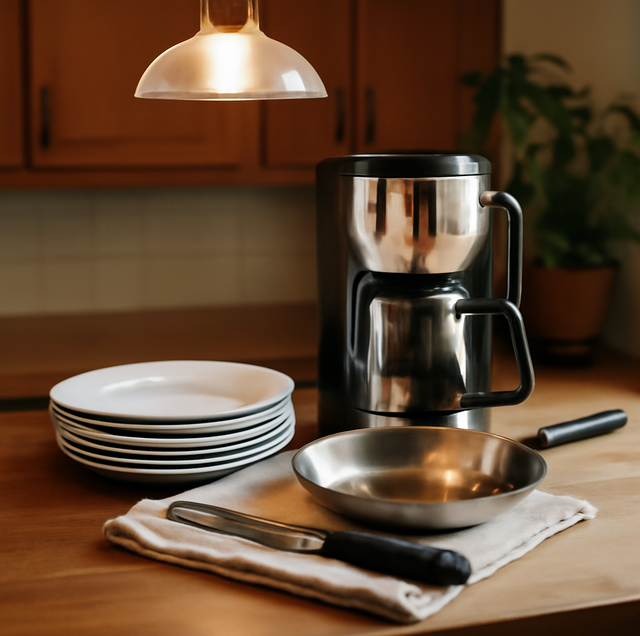
The kitchen is the room everyone saves for last and then regrets. It is packed with fragile, oddly shaped, surprisingly heavy things, and unlike the bedroom, you cannot just sweep it into a box and hope. Open a badly packed kitchen box at the other end, and you get the sound no one wants: the shift and clink of things that did not survive the trip.
The good news is that a kitchen pack safely when you follow a few rules rooted in how these items break. Get the orientation, the cushioning, and the box weight right, and even the delicate pieces come through fine.
Start With the Right Boxes and a Cushioned Base
Kitchens reward small, sturdy boxes over big ones. A large box filled with dishes gets heavy fast, and a heavy box is the one that gets a dropped corner or crushes its own contents. Use small-to-medium boxes for anything heavy or breakable, and line the bottom of each with a thick layer of crumpled packing paper before anything goes in. That cushion absorbs the shock when the box is set down, which is where a lot of breakage occurs. For a full set of dishes or glassware, a dish-pack box with cell dividers is worth it, because it keeps each piece in its own compartment.
Plates on Edge, Glasses Upright
The two rules that prevent most kitchen breakage come down to orientation. Wrap each plate individually in paper, then stand the plates on their edges in the box, vertically, like records in a crate, rather than stacking them flat. A plate is strongest across its edge, and weakest through its face, so packed vertically, each one takes road shock through its strong direction, and no single plate carries the weight of the stack.
Glasses and stemware go the other way: upright, never on their sides, because the rim is the vulnerable part, and a glass lying down is far easier to crack. Stuff a twist of paper inside each glass to support the hollow, wrap the outside, and set them upright with the heaviest tumblers on the bottom and the delicate stemware on top. Cell dividers earn their keep here more than anywhere.
Don't Forget the Awkward Stuff
Dishes get the attention, but the odd items break too. Bowls nest a few at a time with paper between them and get bundled and set on edge. Pots and pans can nest with padding between them, and their lids wrapped separately. Small appliances travel best in their original boxes if you kept them, or wrapped in paper and padded in a box, with the cords bundled and any glass carafes or blades removed and wrapped separately. Knives get their blades sheathed or wrapped in a towel and clearly labeled so no one reaches into a box and finds an edge. Fill every gap in every box with paper until a gentle shake produces no movement.
Pack a clearly labeled "first night" kitchen box and load it last. A few plates, cups, a pan, a knife, and the coffee maker mean you are not tearing open twenty boxes at midnight in the new place looking for something to eat off of.
Protect the Boxes From the Weather
There is a local wrinkle worth planning around: rain. A moving day can turn wet on short notice, and cardboard is no friend of water. A soaked box loses its strength and can drop its contents, so kitchen boxes should be kept covered while they wait to be loaded, carried under cover when it is wet, and never set down in a puddle on the driveway. Loading efficiently so boxes spend as little time as possible exposed to a drizzle is part of keeping the fragile stuff intact.
Handle the Pantry and Label Everything
The cabinets are only half the kitchen. The pantry is full of food that should be sorted before it is boxed, since moving day is the time to toss expired cans and half-open bags rather than pay to have them hauled. Seal any opened dry goods in bags or bins so nothing spills into a box, and keep oils and liquids upright and bagged, ideally in a bin rather than cardboard, so a leak does not soak a box on the truck. Refrigerated and frozen food needs a cooler if the move is more than a short hop across town.
Then label like you will be tired when you put it all away, because you will be. Mark every kitchen box with the room and a note of what is inside, flag the fragile ones on the top and all four sides, and draw an arrow showing which way is up so a dish box never gets flipped or stacked upside down. A box marked clearly as fragile, kitchen, this side up, gets carried and loaded the way it needs to be, and that handling is half of what keeps the contents whole.
Don't Forget the Big Appliances
The kitchen is not done when the cabinets are empty, because the large appliances need prep too, even though you move them rather than box them. Empty and defrost the refrigerator at least a day ahead so it travels dry, and secure or remove the glass shelves and wrap them. Take the racks out of the oven, or tape them so they cannot swing, and clean out any loose crumbs. Disconnect and drain the dishwasher, then cap the water line to prevent leaks. Coil and secure every cord. These pieces are the heaviest part of clearing a kitchen, and prepping them the night before keeps moving day from stalling at the last big item.
Frequently Asked Questions
Keep any box you fill with dishes around 30 to 40 pounds, which, for most sets, is roughly one cabinet's worth, not the whole kitchen in one carton. The test is simple: you should be able to lift it and carry it down stairs without shifting your grip. Movers use small "book" or dish boxes for exactly this reason, because a box loaded past about 50 pounds is the one that gets a corner dropped, and a dropped corner is where plates crack, even when they are packed vertically. If a medium box still feels light with a stack of plates in it, fill the top with lighter items like linens or paper rather than adding more china.
For glassware and stemware, they pay for themselves because the cardboard grid stops pieces from touching, which is where most glass chips happen. Match the divider to the glass: use the tighter grid (more, smaller cells) for tumblers and wine glasses, and pop out an inner wall to make a larger pocket for pitchers, tall vases, or a blender jar. Set the box on the divider sheet so each cell has a paper-padded floor, seat one wrapped glass per cell rim-up, and never force two into a single pocket. A common trick is to put a taller dish box on top of a divided box for two layers, adding a solid cardboard sheet between the levels so the upper row does not press down on the rims below.
You do not strictly need them, but dish-pack boxes with cell dividers make fragile packing much safer and faster, and small, sturdy boxes beat big ones for anything heavy. If you use regular boxes, wrap everything individually and fill all the gaps. The key is small, strong, and fully padded.
Full enough that nothing moves. Cushion the bottom, pack snugly, and top off with crumpled paper until the flaps close against slight resistance and a gentle shake produces no rattle. At the same time, keep the box light enough to lift safely. Empty space and excess weight are both enemies.
Sheathe or wrap each blade so no edge is exposed, bundle them with the blades protected, and label the package clearly. A common method is to roll them in a towel, with the edges covered. The goal is for no one unpacking to reach into a box and find a bare blade.
More than people expect, and a forgotten reservoir leaks all over a box on the truck. A drip coffee maker keeps water in its internal tank and lines, so run it empty with the carafe out and let it air-dry with the lid open for a day. Single-serve pod machines hold water in a rear reservoir that stays full even when the light is off, so empty the tank, run a cycle with no pod to clear the lines, and leave it open to dry. Electric kettles, steam irons, garment steamers, and the boiler on an espresso machine hold water, too, along with a countertop ice maker. Drain and dry each one a day ahead so a hidden cup of water does not soak the box it rides in or grow mildew in transit.
Packing a whole kitchen and want the fragile boxes handled by pros? Butterfield Moving LLC serves Hillsboro, Beaverton, Portland. Call (503) 867-2414.